Millets have made a powerful comeback—and for good reason. These ancient grains are nutrient-dense, gluten-free, and incredibly versatile. But if you’ve never cooked with them before, it’s easy to feel overwhelmed. What does bajra even taste like? Is jowar hard to digest? Can you really make a dosa without rice? The answer to all that: yes, you can keep things delicious and beginner-friendly. And no, you don’t need hours in the kitchen. In fact, some of the most must-try millet recipes for beginners are ready in under 20 minutes when you use the right premixes.
So, whether you’re just starting to explore clean eating or looking to switch up your daily meals, millets like bajra (pearl millet), jowar (sorghum), and moong dal (green gram) are perfect grains to start with. Thanks to Truroots by Vrinda and their ready-to-use sprouted millet premixes, you no longer have to worry about soaking, fermenting, or grinding. These premixes are designed for real life—fast, wholesome, and deeply rooted in Indian tradition. Let’s dive into three millet-based dishes every beginner should try.
1. Sprouted Bajra Khichdi: The Ultimate Comfort Meal
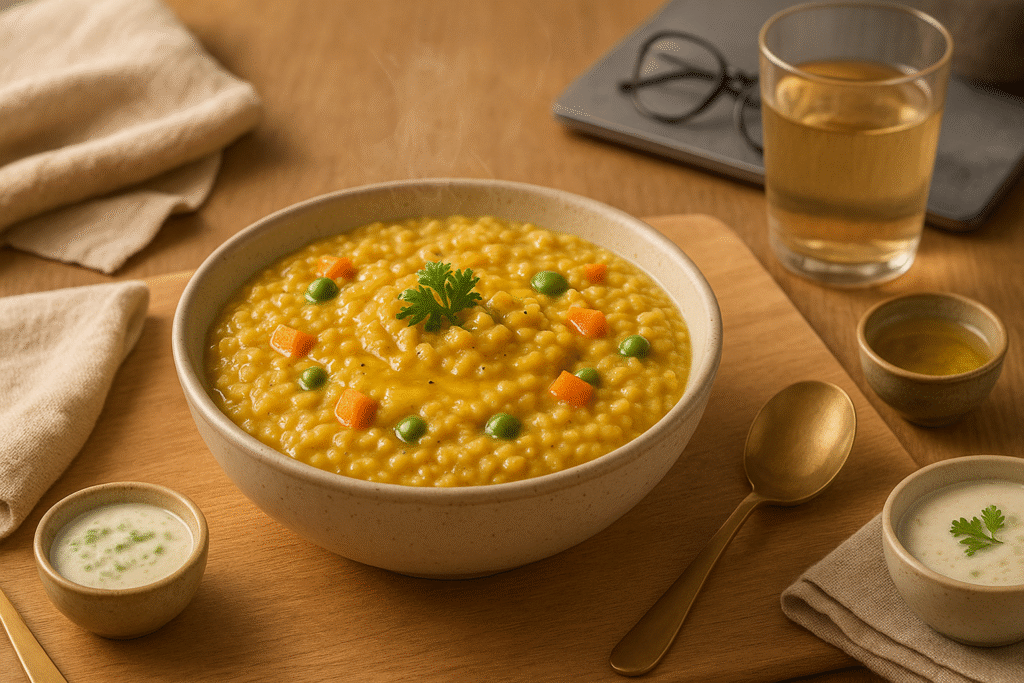
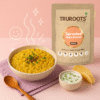
If there’s one millet dish that screams comfort and simplicity, it’s bajra khichdi. With its creamy texture and earthy flavor, bajra (pearl millet) makes for a hearty, warming meal that’s both satisfying and gentle on the gut. The best part? It’s extremely forgiving for beginners.
Instead of cooking bajra from scratch, use the Sprouted Bajra Khichdi Premix from Truroots. The sprouting process improves digestion and boosts the bioavailability of nutrients like iron and magnesium. To prepare, rinse the mix under water, cook it in a pressure cooker with water and salt, and you’re done in just a few whistles. You can customize it with chopped veggies like carrots and peas or top it with a spoon of ghee and coriander. It’s your go-to for lazy evenings, post-workout dinners, or quick weekday lunches when you want something that’s nutritious but not heavy.
2. Sprouted Jowar Dosa: Crispy, Nutty, and Foolproof
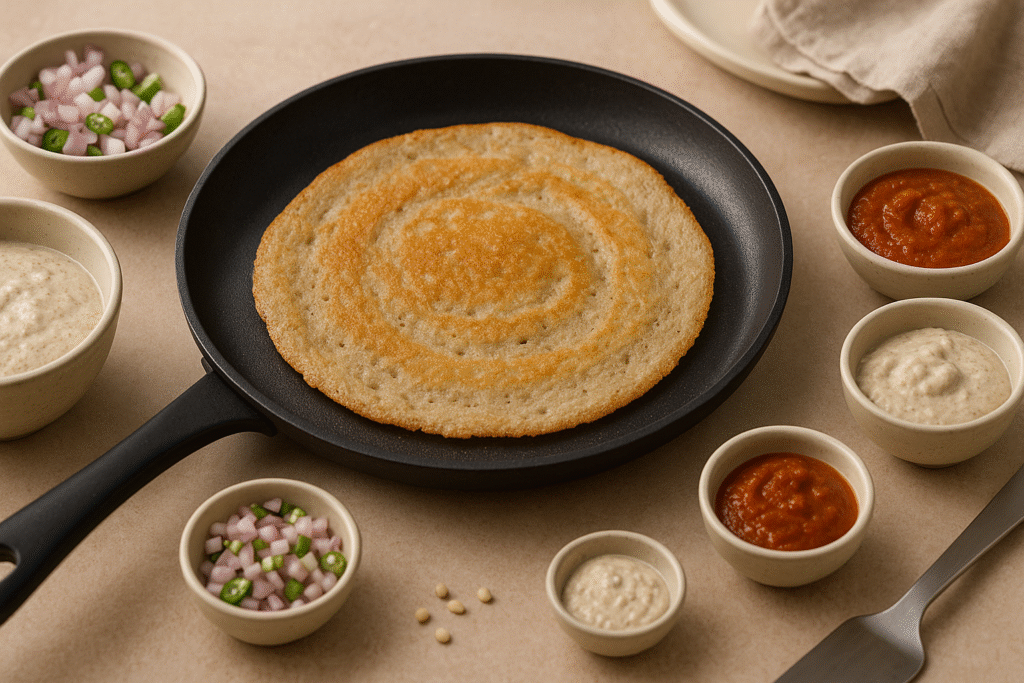
Dosas are a South Indian staple, but they usually come with the hassle of soaking rice and lentils, grinding, and fermenting the batter. Jowar, or sorghum, steps in as a healthier, gluten-free alternative that offers fiber, plant protein, and antioxidants—all in a lighter, crisper form.
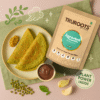
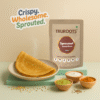
The Sprouted Jowar Dosa Premix is a total game-changer for beginners. Just mix the premix with water (or buttermilk), let it sit for a few minutes, and pour it onto a hot pan like you would a regular dosa. No fermentation required. Add onions, chilies, or grated veggies to spice it up. These dosas are perfect for breakfast or even rolled up for lunchboxes. The slight nuttiness of jowar pairs beautifully with coconut chutney or tomato garlic chutney.
What makes this ideal for beginners is its reliability—no messy batter, no guessing if it’s fermented enough. Just mix, cook, and eat.
3. Sprouted Pesarattu: The Underrated Protein Dosa
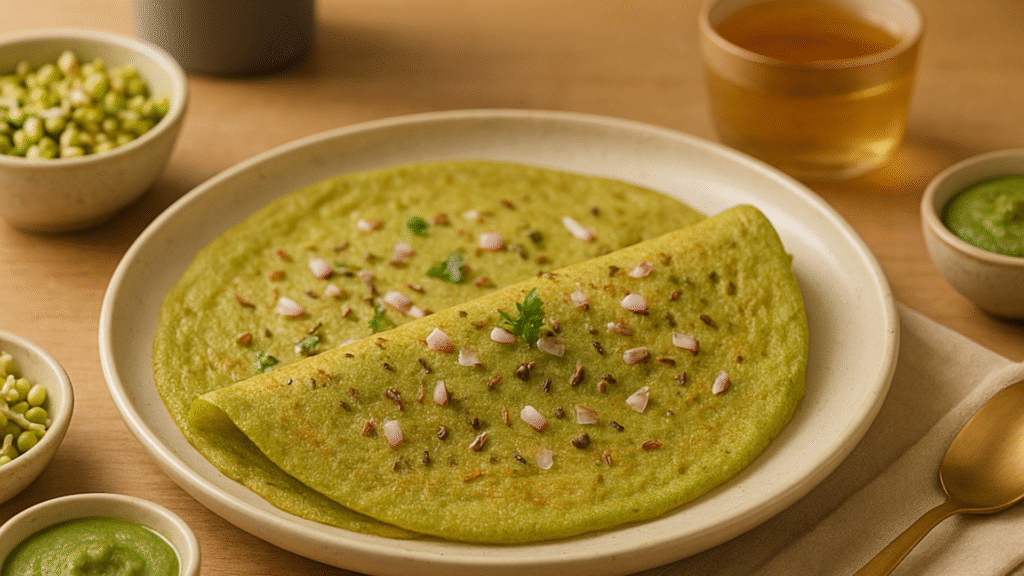
If you’ve never heard of pesarattu, you’re in for a treat. It’s an Andhra Pradesh classic made from moong dal (green gram) that’s packed with protein and fiber. Unlike traditional dosas, it requires no rice, making it lighter on the stomach and higher in nutritional value.
With Sprouted Pesarattu Premix, you don’t have to soak or grind anything. The mix is made from sprouted moong dal and spices, so all you need to do is add water, stir, and pour the batter onto a hot pan. You can top it with onions, cumin, or even crushed black pepper. It makes for a great pre-workout breakfast or a light dinner when you’re craving something warm and savory but want to keep it clean.
This dish is also a win for digestion. The sprouting process neutralizes phytic acid (which can block mineral absorption) and increases the availability of key nutrients like B vitamins. It’s the kind of recipe that feeds your body while being ridiculously easy to prepare.
Why These Millet Recipes Are Beginner-Friendly
All three of these recipes have one thing in common: they’re easy, quick, and require minimal effort. You don’t need fancy kitchen gadgets or hours of prep. In fact, each of these meals can be made in less than 20 minutes. They’re also forgiving with measurements—no exact ratios, no culinary degree required. These millet-based premixes do the heavy lifting for you.
More importantly, these recipes offer a real upgrade from processed food. Most ready-to-eat options in the market are high in sodium, preservatives, or artificial flavoring. Not these. Truroots by Vrinda’s millet premixes are free from additives, 100% vegetarian, and made in small batches using clean, natural ingredients.
If you’re looking to transition into clean eating or build healthier food habits without losing your mind (or time), these beginner recipes are your best bet.
Bonus Tips for Millet Cooking Success
- Use non-stick pans or cast iron skillets for dosas to avoid sticking
- Don’t skip the rest time after mixing the batter—it helps bind everything
- Add herbs and veggies for a boost of flavor and texture
- Pair with healthy chutneys or curd to complete the meal
- Store leftover batter in the fridge for up to 24 hours—perfect for meal prep
Start Simple, Stay Consistent
Millets are no longer the “forgotten grains” your grandparents talked about—they’re becoming the backbone of a more mindful, nutritious, and sustainable way to eat. Whether you’re trying to reduce your gluten intake, eat clean, or just add variety to your meals, these must-try millet recipes for beginners are an excellent place to start.
From bajra khichdi to jowar dosa to sprouted pesarattu, the options are as comforting as they are nourishing. So go ahead, open a premix, fire up the stove, and give your meals a millet-powered makeover.
FAQs
Q1. Are millet recipes hard to make for beginners?
Not at all. With premixes, they’re as easy as mix-cook-serve. No fermentation or grinding involved.
Q2. Which millet dish is best for breakfast?
Jowar dosa or pesarattu make protein-rich, energy-boosting breakfasts that cook in under 10 minutes.
Q3. Is bajra khichdi good for digestion?
Yes. It’s packed with fiber, easy on the gut, and perfect for people looking for comfort meals.
Q4. Where can I buy sprouted millet premixes?
You can find all premixes from Truroots by Vrinda here.
Q5. Can I include these recipes in a weight-loss diet?
Definitely. They’re low-GI, high-fiber, and very satiating—perfect for balanced eating.