Why Jowar Is Called a Super Millet
Jowar (sorghum) has been a staple in traditional diets for centuries, valued for its high fiber, calcium, protein, and iron. Today, as more people seek natural and wholesome foods, the popularity of jowar is rising again. Gluten-free, nutrient-dense, and versatile, jowar is not just a grain—it’s a super millet with benefits for all age groups.
Nutritional Profile of Jowar
Every serving of jowar comes with a powerhouse of nutrients:
- Dietary Fiber: Supports digestion and prevents constipation.
- Plant Protein: Essential for muscle growth and repair.
- Calcium & Magnesium: Strengthen bones and teeth.
- Iron: Boosts hemoglobin levels and prevents anemia.
- Antioxidants: Protect the body from free radical damage.
Key Jowar Benefits for Health
1. Supports Digestive Health
The high fiber in jowar promotes healthy digestion, keeps the gut clean, and prevents bloating.
2. Aids in Weight Management
Jowar keeps you full for longer, reducing cravings and helping maintain a healthy weight.
3. Strengthens Bones
Rich in calcium and magnesium, jowar benefits bone density and joint health—important for kids, adults, and seniors.
4. Good for Diabetics
Jowar has a low glycemic index, meaning it helps regulate blood sugar levels and provides sustained energy.
5. Boosts Immunity
Loaded with iron and antioxidants, jowar strengthens immunity and improves stamina.
Delicious Ways to Enjoy Jowar
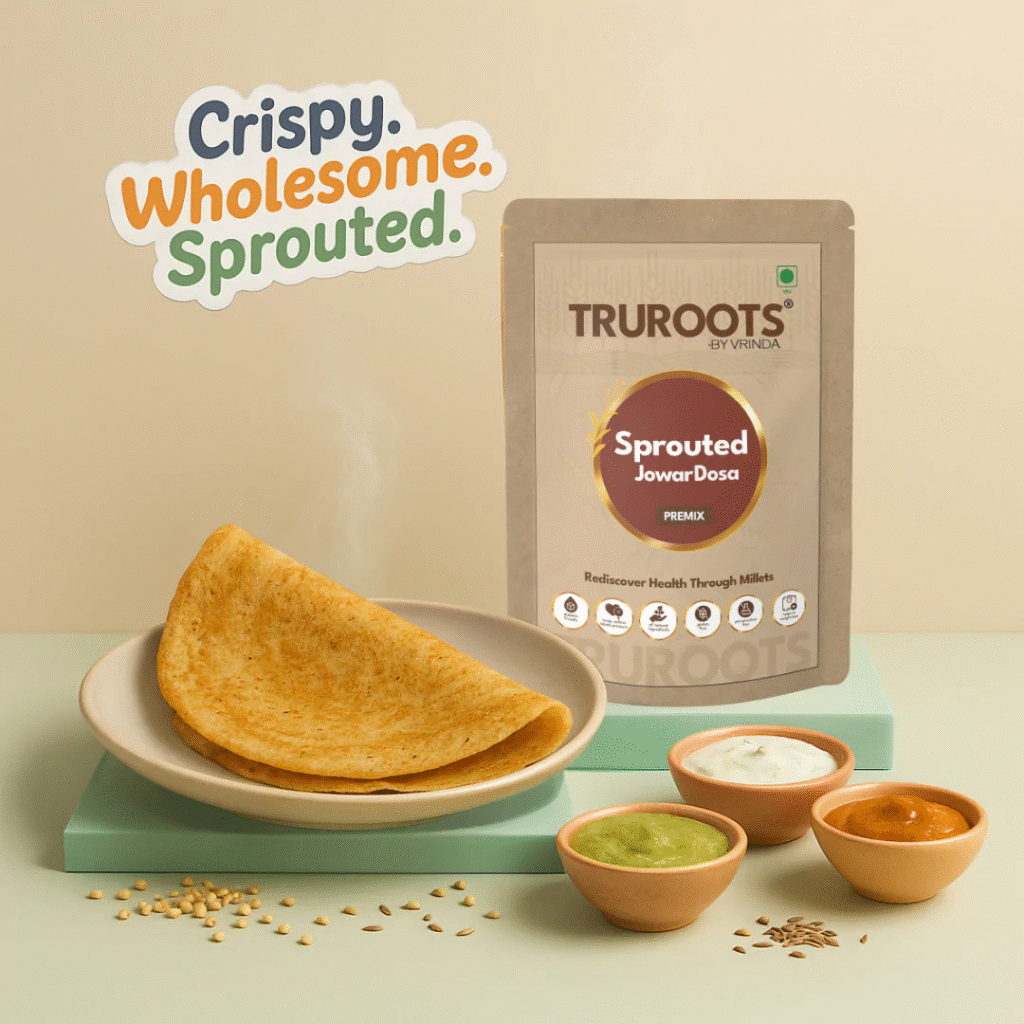
Sprouted Jowar Dosa for Breakfast
Crispy, light, and wholesome—jowar dosa is a nutritious way to start your morning.
Save time with the Sprouted Jowar Dosa Premix, which makes dosa-making quick while retaining authentic taste and nutrition.
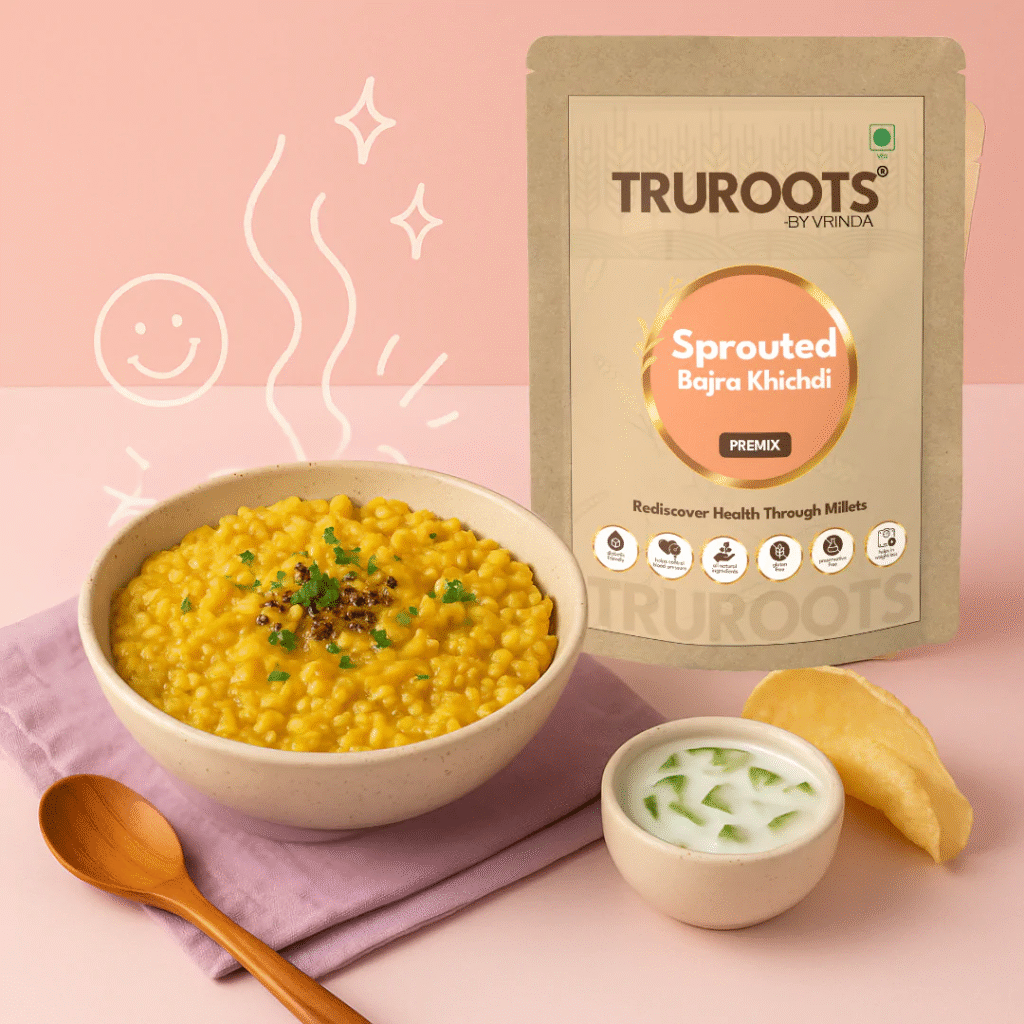
Bajra Khichdi for Lunch
Though made with bajra, this dish pairs beautifully with jowar in a millet-rich diet. It’s hearty, easy to digest, and nourishing.
Try the Sprouted Bajra Khichdi Premix for a wholesome one-pot meal in minutes.
Jowar Rotis
Soft, gluten-free rotis made with jowar flour are perfect with dals and vegetable curries.
Jowar Porridge
Sweetened with jaggery or made savory with spices, jowar porridge works as a complete meal for both kids and seniors.
Why Jowar Benefits Every Age Group
- For Kids: Provides calcium, iron, and protein for growth.
- For Adults: Supports energy, stamina, and weight management.
- For Seniors: Easy to digest and great for bone health.
Adding Jowar to a Balanced Diet
- Replace wheat flour with jowar flour in rotis.
- Use jowar in salads, porridge, and upma for variety.
- Incorporate sprouted jowar recipes for better nutrient absorption.
- Combine jowar with other millets for diverse flavors and nutrition.
FAQs on Jowar Benefits
Q1: What are the main jowar benefits?
Better digestion, weight control, strong bones, immunity boost, and steady energy.
Q2: Can jowar replace rice or wheat?
Yes, jowar is a healthier, gluten-free option with higher fiber and minerals.
Q3: Is jowar good for kids?
Absolutely. Porridge, dosas, and rotis made with jowar are nutrient-packed for children.
Q4: How do sprouted premixes help?
They save prep time, improve nutrient absorption, and make traditional jowar recipes quick and convenient.
Q5: What’s the best time to eat jowar?
Anytime—dosas for breakfast, khichdi for lunch, rotis for dinner.
Jowar: The Super Millet for a Healthier Tomorrow
From crispy dosas to soft rotis and wholesome porridges, jowar brings both taste and nutrition to everyday meals. It’s not just a grain—it’s a super millet that supports energy, immunity, and wellness for all ages.
By including sprouted premixes, you can enjoy the traditional goodness of jowar with modern convenience—making healthy eating both easy and delicious.