In the journey toward clean eating and balanced nutrition, one ancient grain family is making a powerful comeback in modern Indian kitchens—millets. Once a staple in traditional diets, millets like jowar (sorghum) and ragi (finger millet) are now being rediscovered for their exceptional health benefits and culinary versatility. If you’re wondering how to get started with Cooking with Millets, especially jowar and ragi, this guide will show you practical, everyday ways to use them.
Whether you’re managing a busy lifestyle or simply trying to make healthier choices, incorporating millets into your meals can be a rewarding shift.
Why Cooking with Millets Deserves a Place in Your Kitchen
Millets are small-seeded grains that thrive in dry climates and require far fewer resources than rice or wheat. They are sustainable, naturally gluten-free, and remarkably rich in nutrients. In fact, jowar and ragi are two of the most accessible millets in India—and both are easy to prepare and adapt.
Unlike refined flours that digest quickly and leave you hungry soon after, millets provide lasting energy. They also help regulate blood sugar, improve digestion, and contribute to long-term health when used regularly in home cooking.
Jowar for Everyday Meals: A Fiber-Rich Foundation
Jowar, also known as sorghum, offers a subtle taste and solid texture that adapts well to Indian recipes. This fiber-rich grain supports digestion, stabilizes blood sugar, and helps in maintaining fullness between meals.
Here are some simple ways to enjoy jowar in daily cooking:
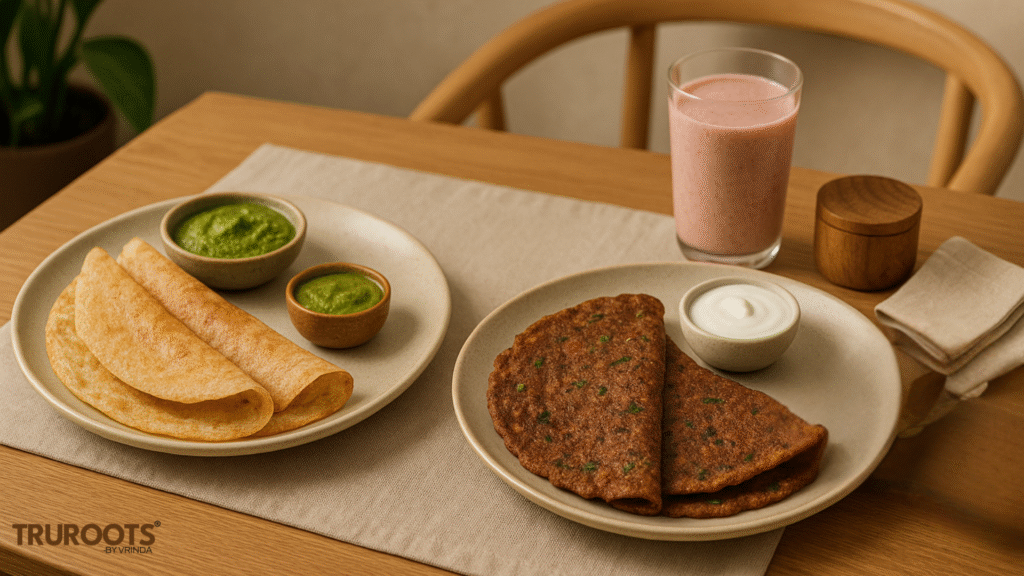
- Jowar Rotis: Swap your regular roti with soft, hand-rolled jowar bhakris.
- Sprouted Jowar Dosa: With the Sprouted Jowar Dosa Premix, prepare crispy dosas quickly—no soaking or fermenting needed.
- Jowar Upma: Roast jowar flour and cook it like a savory upma for breakfast or dinner.
- Vegetable Jowar Chilla: Mix jowar flour with veggies and spices to make hearty pancakes.
These meals aren’t just healthy—they also add a unique texture and flavor that sets them apart from typical wheat-based dishes.
Cooking with Millets Like Ragi: Nutritious and Delicious
Ragi, or finger millet, is one of the most calcium-rich grains available. It’s especially beneficial for bone health, growing children, and those looking to cut back on dairy. However, its benefits don’t stop there—ragi is also high in iron, protein, and fiber.
Try these easy recipes when cooking with millets like ragi:
- Ragi Porridge: Cook with milk or water, then sweeten naturally with jaggery or fruit purée.
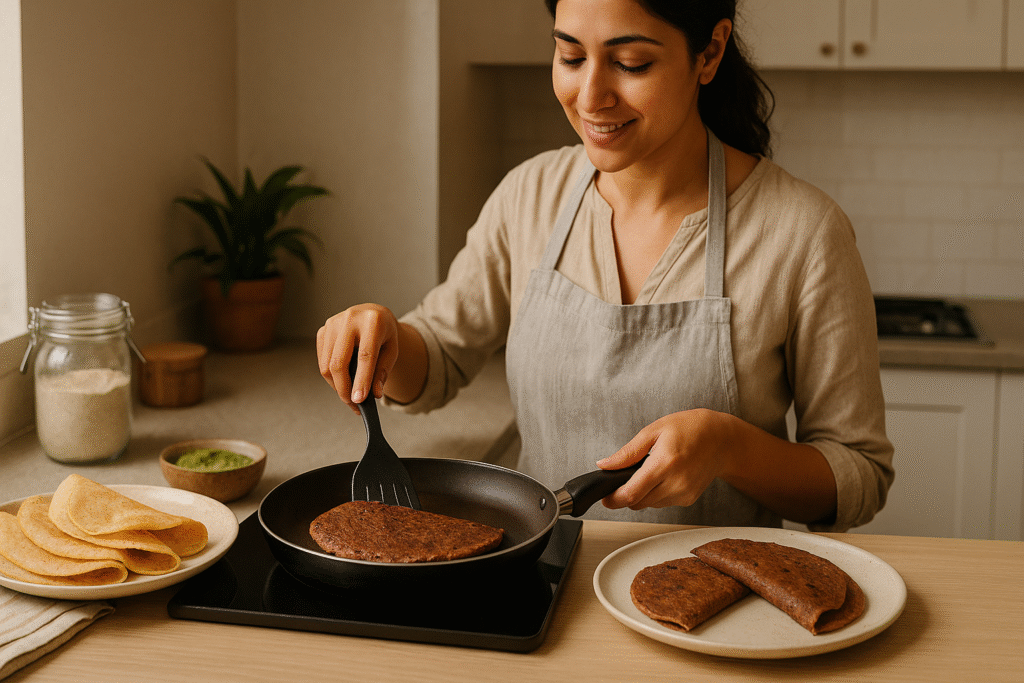
- Ragi Rotis: Knead ragi flour with warm water to form soft dough for rotis.
- Sprouted Ragi Chilla: Use Sprouted Ragi Oats Chilla Premix to make instant protein-rich pancakes.
- Ragi Ladoos: Combine roasted ragi, coconut, jaggery, and ghee for a healthy dessert.
These options can be rotated through the week for variety, nutrition, and ease.
Quick Millet Recipes for Busy Families
Not everyone has the time to make every meal from scratch. For this reason, premixes can be a huge time-saver. With ready-to-use millet premixes, you still get whole food benefits—just faster.
Looking for millet-based meals even kids will love? This blog is packed with ideas:
👉 Healthy Snacks for Kids: Quick & Nutritious Ideas
These recipes are fuss-free, nourishing, and perfect for lunchboxes or evening snacks.
Benefits of Cooking with Millets Every Day
Choosing millets as a daily staple brings lasting benefits beyond just calories. Here’s what you gain by cooking with millets regularly:
- Improved digestion: The natural fiber keeps your digestive system clean and balanced.
- Blood sugar regulation: Millets prevent sharp sugar spikes, especially when replacing white rice or maida.
- Bone strength: Ragi is a natural source of calcium, making it ideal for children and older adults.
- Sustained energy: With slower digestion, you avoid mid-day crashes and feel fuller longer.
- Incredible versatility: Millets adapt to sweet, savory, and baked dishes alike.
These benefits make millets a smart base for anyone’s meal plan.
Getting Started: Tips for Successful Millet Cooking
New to millets? These practical tips can help you get great results from day one:
- Use hot water for kneading doughs—this softens the flour and makes rolling easier.
- Refrigerate your flour if not using within 3–4 weeks to avoid spoilage.
- Sprouted millets are gentler on the stomach and more nutrient-dense.
- Experiment gradually: Start by replacing one meal per day and work your way up.
Within a few weeks, you’ll find yourself naturally leaning toward millets over processed grains.
Frequently Asked Questions (FAQs)
Q1. Can I cook with millets every day?
Yes, millets like jowar and ragi are excellent for daily use. They support long-term health and are easy to digest when properly prepared.
Q2. Are millet premixes a healthy choice?
When made with clean ingredients—as in TruRoots products—they offer both convenience and nutrition with no compromise.
Q3. Is cooking with millets suitable for young children?
Absolutely. Millets provide essential nutrients like iron, calcium, and protein. Just ensure recipes are soft and easy to chew for younger kids.
Q4. Can I mix millets in one recipe?
Yes. In fact, blending flours like ragi and jowar often enhances taste and texture, especially in rotis or dosas.
Q5. How should I store millets and their flours?
Keep whole millets in airtight containers in a cool, dry place. For flours, refrigeration extends shelf life and preserves flavor.