Across Indian homes, dosas are a breakfast staple. But as health awareness grows, many people are comparing Millet Dosa with the traditional rice dosa to understand which one better supports digestion, energy, and long-term wellness. While rice dosa has been cherished for generations, millet-based batter offers a whole new dimension of nutrition, making it a preferred choice today.
Millets like jowar, bajra, and ragi are naturally rich in fiber and slow-digesting carbohydrates. This gives Sprouted dosa a significant advantage for anyone seeking improved gut health, sustained energy, and a lighter meal experience.
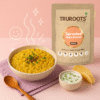
With the convenience of mixes like Truroots by Vrinda’s Sprouted Jowar Dosa Premix, switching to a millet-based breakfast has become easier than ever.
How Millet Dosa and Rice Dosa Differ in Digestion
Digestion is one of the biggest deciding factors in choosing the right breakfast. The lighter a meal digests, the better it supports metabolism and gut comfort.
How Rice Dosa Digests
- Made mostly from polished rice
- Digests quickly, sometimes too quickly
- Can cause hunger soon after eating
- Lower fiber content
- May feel heavy for people with gut sensitivity
Rice dosa is delicious, but its low fiber content means it can’t support long digestive cycles.
How Millet Dosa Digests
- High natural fiber → slower digestion
- Keeps stomach comfortable longer
- Gentle on the gut
- Helps regulate bowel movement
- Ideal for those with bloating or sensitivity
Because of these digestive benefits, nutritionists now recommend choosing a Sprouted dosa over rice dosa for daily breakfast.
Energy Levels: Which Dosa Keeps You Energized Longer?
Morning energy sets the tone for the entire day. The type of dosa you eat directly influences how long your energy lasts.
Energy Release from Rice Dosa
- Quick energy boost
- Followed by faster drop
- May lead to mid-morning hunger
- Not ideal for long working hours
The high glycemic nature of rice dosa means energy comes quickly — and fades quickly.
Energy Benefits of Millet Dosa
- Slow-release carbohydrates
- Stable, long-lasting energy
- Perfect for office-goers, students, and fitness routines
- No sluggishness after eating
The slow energy release is one of the biggest reasons Sprouted dosa is becoming a modern breakfast favorite.
Fiber Comparison: A Major Reason to Choose Sprouted dosa
Fiber plays a huge role in digestion, metabolism, and even appetite control.
Rice Dosa Fiber Level
- Very low
- Minimal effect on satiety
- Less effective for digestive support
- Faster hunger return
Millet Dosa Fiber Level
- Naturally high
- Supports gut-friendly bacteria
- Helps prevent constipation
- Keeps hunger stable
- Improves nutrient absorption
Higher fiber content means Sprouted dosa stays in the digestive tract longer—creating a smoother and more comfortable digestive cycle.
Nutritional Strength: Millet Dosa vs Rice Dosa
Millet grains offer a far richer nutrient profile than polished rice.
Rice-Based Batter Provides
- Basic carbohydrates
- Minimal minerals
- Low protein
- Limited fiber
Millet-Based Batter Provides
- Higher protein
- Abundant minerals like iron, magnesium, and calcium
- Soluble and insoluble fiber
- Antioxidants that reduce inflammation
This makes Sprouted dosa a superior option for everyday eating.
Why Millet Dosa Is Better for Weight Management
If you are trying to maintain a healthy weight, your breakfast choice plays a major role.
Rice Dosa & Weight Control
- Digests quickly
- Increases hunger
- Encourages larger portions
- Not ideal for calorie control
Sprouted dosa for Weight Balance
- Slow digestion → less cravings
- Lower glycemic index
- Higher protein supports metabolism
- Balanced calories
- Promotes satiety without heaviness
Because of these qualities, millet-based breakfast options are recommended by many dieticians.
Sprouted Millet: An Even Better Version of Millet Dosa
Sprouting enhances the natural benefits of millets, making them even more digestible and nutrient-dense.
Benefits of Sprouted Millet Batter
- Higher vitamin levels
- Increased mineral absorption
- Reduced anti-nutrients
- Improved protein quality
- Better gut comfort
Using ready mixes like Truroots Sprouted Jowar Dosa Premix simplifies millet cooking while ensuring superior nutrition. https://trurootsbyvrinda.com/shop/sprouted-jowar-dosa-premix/
Taste & Texture: How the Two Compare
Taste is often the deciding factor for families.
Rice Dosa Taste
- Mild flavor
- Soft texture
- Familiar and traditional
Millet Dosa Taste
- Earthy flavor
- Crispy texture when cooked thin
- Pairs beautifully with chutneys and sambhar
- Feels lighter yet satisfying
Many people find millet-based batter creates a more exciting and wholesome breakfast experience.
Variety: Millet Dosa Allows More Creative Cooking
Millet batter adapts well to modern and traditional recipes.
Variations Possible
- Vegetable Sprouted dosa
- High-protein Sprouted dosa
- Green detox style
- Masala millet version
- Millet dosa rolls for lunchboxes
This flexibility makes it easier to include millet-based meals several times a week.
Best Pairings to Enhance Digestion and Energy
Pair either dosa with:
- Mint chutney → digestive support
- Coconut chutney → healthy fats
- Tomato chutney → antioxidants
- Sambhar → plant protein + fiber
- Curd → probiotics
However, when paired with gut-friendly sides, the benefits of Sprouted dosa become even stronger.
FAQs About Millet Dosa vs Rice Dosa
1. Which dosa is easier to digest?
Millet-based dosa, because of its higher fiber and gentle effect on the stomach.
2. Which dosa provides longer energy?
Millet-based batter releases energy slowly and steadily.
3. Can Millet Dosa help people with acidity?
Yes. It is lighter and supports smoother digestion.
4. Is Millet Dosa good for diabetics?
Yes, due to its lower glycemic impact.
5. Which dosa is better for weight loss?
Millet-based dosa because it keeps you full longer.
6. Is rice dosa bad for health?
Not bad, but less nutritious compared to a millet-based version.
7. Does millet batter taste different?
Yes, it has a mildly earthy flavor and becomes crispy when cooked thin.