Why Millet Food Matters in Modern Diets
Millets are among the oldest cultivated grains, once central to traditional diets in Asia and Africa. Today, millet food is gaining global attention because of its rich nutrition, eco-friendliness, and versatility. Unlike refined grains, millets are nutrient-dense, gluten-free, and ideal for every age group.
Nutritional Profile of Millet Food
Millets are tiny grains but loaded with big benefits:
- High Fiber: Improves digestion and supports weight management.
- Protein-Rich: Helps muscle growth and provides steady energy.
- Calcium and Iron: Build stronger bones and prevent anemia.
- B Vitamins: Support metabolism and brain function.
- Antioxidants: Protect against oxidative stress and boost immunity.
Health Benefits of Millet Food
1. Supports Digestive Health
Millets contain soluble and insoluble fiber, which keep the digestive system active and prevent constipation.
2. Helps Manage Weight
Because they keep you fuller for longer, millet food reduces cravings and supports weight control.
3. Boosts Energy and Stamina
Slow-releasing carbs make millets an excellent choice for sustained energy throughout the day.
4. Good for Heart Health
Millets are rich in magnesium and antioxidants, which support healthy blood circulation.
5. Suitable for Diabetics
The low glycemic index of millet food helps manage blood sugar levels naturally.
Daily Millet Food Ideas for Breakfast
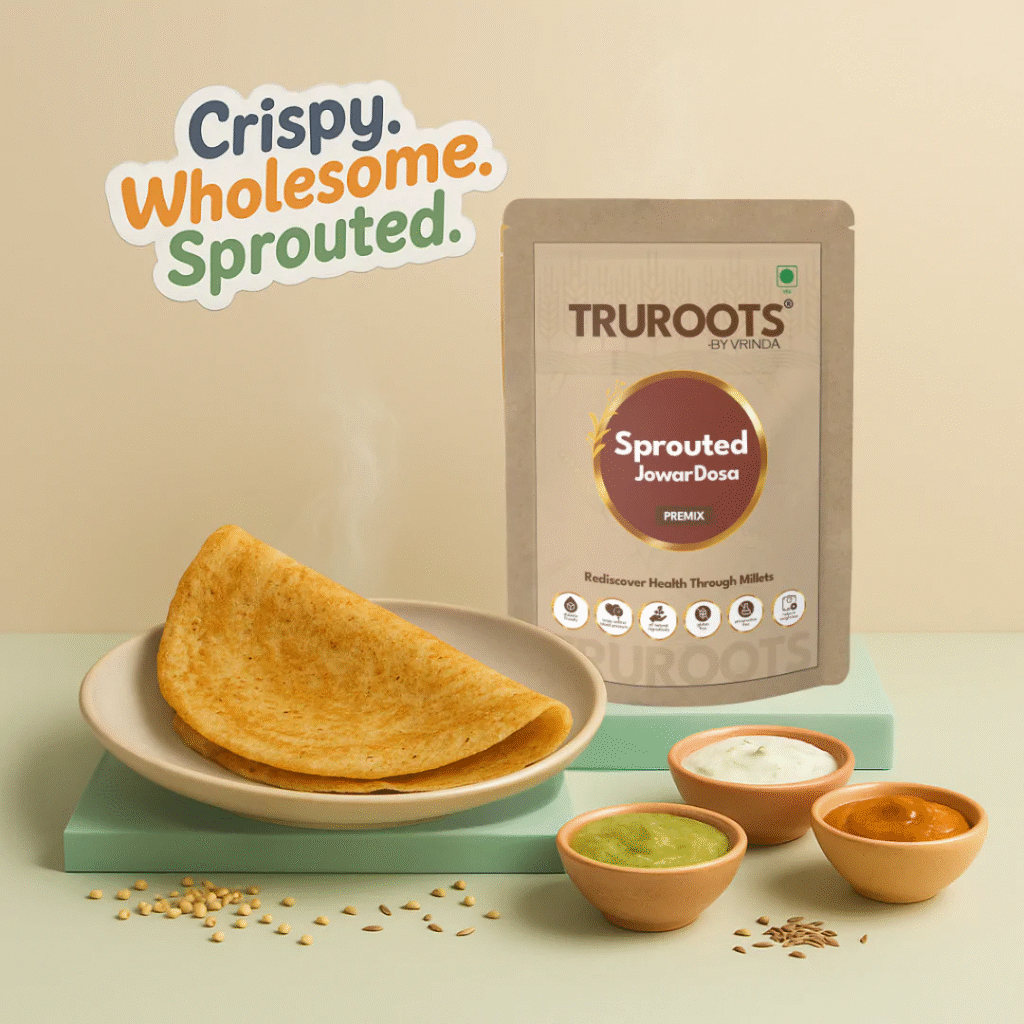
Sprouted Jowar Dosa
A crisp and light start to your day, jowar dosa is rich in fiber and gluten-free
You can prepare it quickly with the Sprouted Jowar Dosa Premix, which combines authentic flavor with modern convenience.
Millet Porridge
Cooked with milk or water, sweetened with jaggery, millet porridge is kid-friendly and highly nutritious.
Millet Upma
A savory option made with foxtail millet and vegetables for a hearty breakfast.
Nutritious Millet Food for Lunch
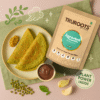
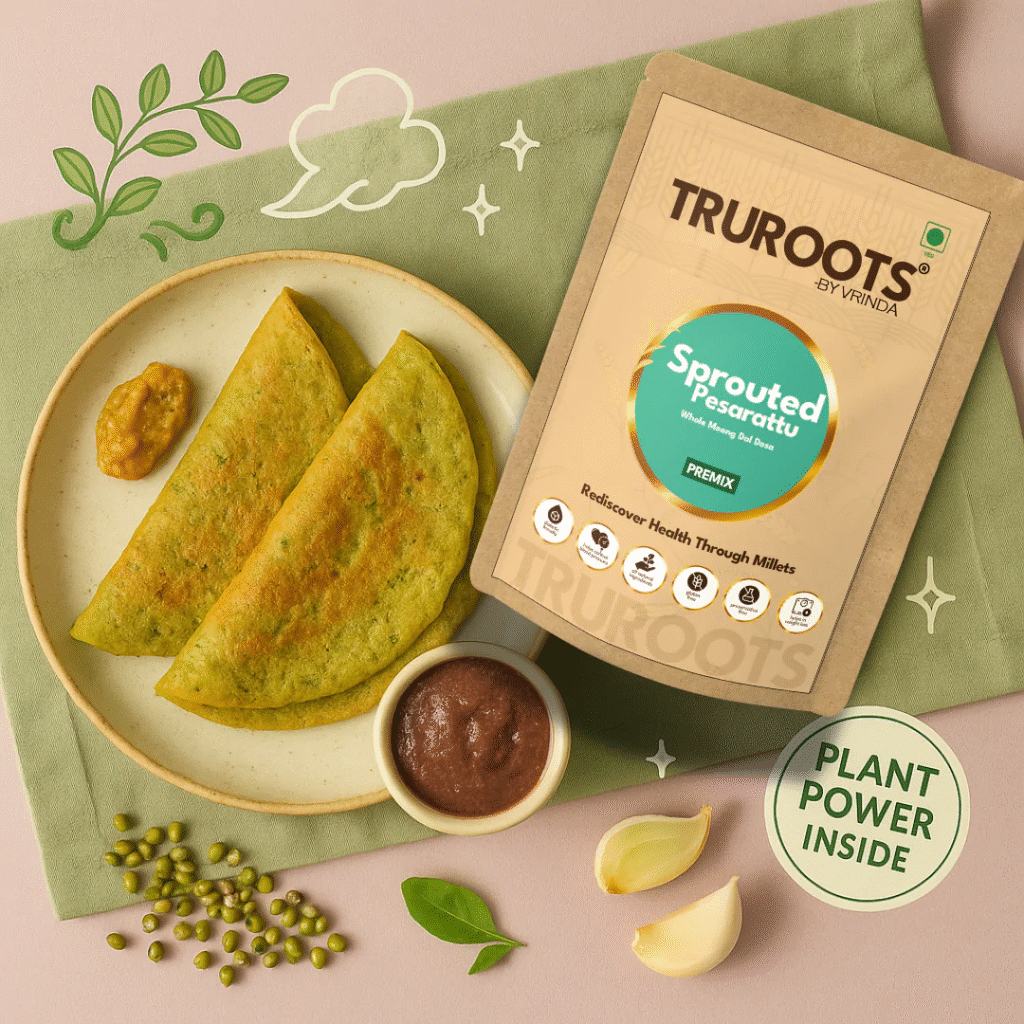
Sprouted Pesarattu
A protein-rich crepe made with green gram and millet, pesarattu is light, filling, and ideal for lunch or snacks.
Save time with the Sprouted Pesarattu Premix, which delivers traditional taste in minutes.
Millet Rotis
Soft, gluten-free rotis made from jowar or bajra flour, paired with dals or sabzis for balanced meals.
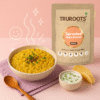
Millet Khichdi
A one-pot dish with lentils and spices, khichdi made with bajra or foxtail millet is both comfort food and highly nutritious.
Healthy Millet Food Recipes for Snacks
- Millet Chillas: Quick savory pancakes made with millet flour and spices.
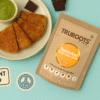
- Millet Cutlets: Crispy patties with cooked millet and vegetables.
- Millet Energy Drinks: Sprouted ragi-based beverages to keep energy levels high.
Light Millet Food for Dinner
- Millet Soup: Gentle on digestion, rich in minerals, and ideal for seniors.
- Millet Pulao: A hearty dish cooked with vegetables and foxtail millet.
- Millet Wraps: Millet rotis or dosas used as wraps with sautéed vegetables.
Why Millet Food Fits Every Lifestyle
- For Kids: Strong bones and energy through calcium and iron.
- For Adults: Keeps metabolism active and supports weight management.
- For Seniors: Easy to digest, nutrient-dense, and heart-healthy.
How to Add Millet Food to Your Daily Routine
Making millets a regular part of your meals doesn’t require a complete diet overhaul. Small changes can bring big results. Here are a few practical tips:
- Start with Breakfast – Replace refined flour pancakes or semolina upma with millet-based dishes like ragi oats chilla or foxtail millet upma.
- Swap Rice with Millets – Use barnyard or foxtail millet instead of white rice in pulao, biryani, or khichdi.
- Try Millet Rotis – Jowar or bajra rotis are more filling and healthier than wheat chapatis.
- Choose Smart Snacks – Opt for millet cutlets, millet chillas, or sprouted ragi drinks for mid-day hunger.
- Leverage Premixes – Ready-to-cook millet premixes like sprouted jowar dosa or pesarattu save time while keeping meals wholesome.
- Experiment with Baking – Mix millet flour into muffins, bread, or cookies to make your treats more nutritious.
These easy swaps make millet food a natural part of your lifestyle, rather than a drastic diet change.
Millets vs Refined Grains: A Smart Swap
| Feature | Millets (Ragi, Jowar, Bajra, Foxtail) | Refined Grains (Rice, Maida, Wheat) |
|---|---|---|
| Fiber | High – supports digestion & satiety | Low – quick hunger return |
| Nutrients | Rich in calcium, iron, protein, B vitamins | Nutrients stripped during refining |
| Energy Release | Slow, steady energy | Quick spike → crash later |
| Diabetes Friendly | Low glycemic index | High glycemic index |
| Weight Management | Helps control cravings & calories | Often linked to weight gain |
| Gluten Content | Gluten-free | Contains gluten |
Clearly, millets outperform refined grains in nearly every aspect, making them the smarter choice for modern, health-focused diets.
FAQs on Millet Food
Q1: What makes millet food healthy?
Millets are rich in fiber, protein, calcium, and antioxidants, making them superior to refined grains.
Q2: Can millet food replace rice or wheat?
Yes. Millets are gluten-free and offer more nutrients and fiber than rice or wheat.
Q3: Are millet recipes suitable for kids?
Absolutely. Millet porridges, dosas, and khichdi are kid-friendly and highly nutritious.
Q4: How do sprouted premixes make millet cooking easier?
They save time, improve nutrient absorption, and bring convenience without losing authenticity.
Q5: What is the best way to eat millet food daily?
Start with simple dishes like porridge, khichdi, or dosas. Sprouted premixes make preparation quicker.
Millet Food: Nutrition, Benefits, and Easy Daily Use
From breakfast porridges to light dinners, millet food offers countless ways to enjoy nutrition and taste together. These ancient grains are not just healthy—they are sustainable and versatile for modern living.
With sprouted premixes, you can enjoy traditional millet dishes in less time, making healthy eating simple and achievable for everyone.