Why Millets Belong in Every Meal
For centuries, millets have been valued for their nutrition and resilience. Today, they are gaining recognition worldwide as superfoods. Unlike refined grains, millets as food provide fiber, protein, calcium, and iron, all in one wholesome package. Moreover, they are naturally gluten-free, easy to cook, and suitable for all age groups.
Nutritional Benefits of Millets as Food
Millets stand out because they are:
- High in Fiber – Improve digestion and support gut health.
- Rich in Protein – Provide plant-based protein for growth and repair.
- Full of Minerals – Calcium and iron keep bones strong and fight anemia.
- Low on the Glycemic Index – Control blood sugar, making them safe for diabetics.
- Loaded with Antioxidants – Help boost immunity and protect the body.
In addition, millets are more sustainable than rice or wheat because they require less water to grow.
Millets as Food for Breakfast: A Nutritious Start
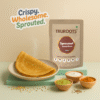
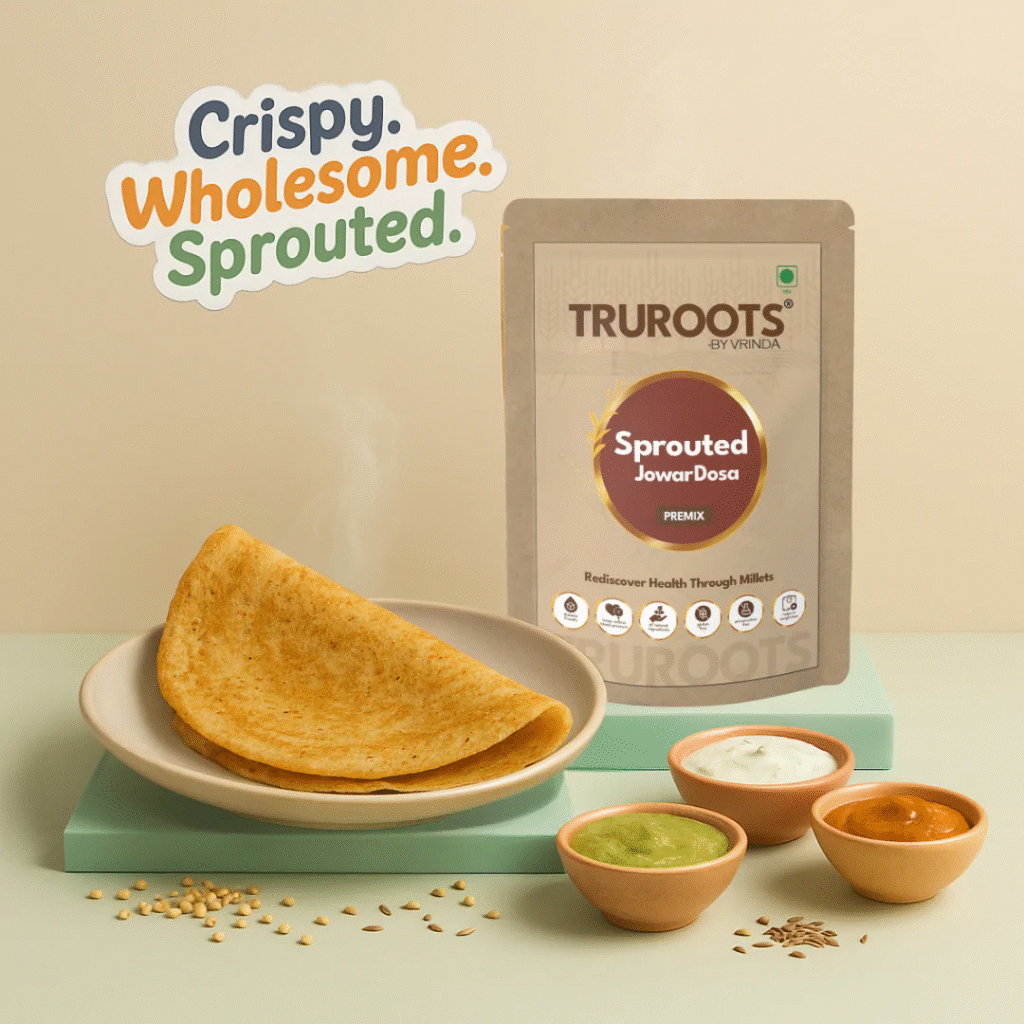
Sprouted Jowar Dosa
Crispy and filling, jowar dosa is a balanced breakfast. It fuels the body with protein and fiber.
You can save time with the Sprouted Jowar Dosa Premix, which combines authentic taste with modern convenience.
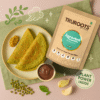
Sprouted Pesarattu
This green gram and millet-based crepe is packed with protein and energy. It is an excellent choice for mornings or light snacks.
The Sprouted Pesarattu Premix makes it simple to prepare at home while retaining its nutrition.

Ragi Porridge
Ragi porridge, whether sweetened with jaggery or made savory with spices, is perfect for kids and seniors alike.
Millets as Food for Lunch: Wholesome Midday Meals
- Millet Khichdi – A comforting one-pot dish rich in fiber and protein.
- Millet Rotis – Gluten-free, soft, and nourishing when paired with dals or curries.
- Millet Salad Bowl – A refreshing blend of cooked millet, cucumbers, and herbs.
Furthermore, these recipes are easy to prepare and ideal for busy schedules.
Millets as Food for Snacks: Guilt-Free Options
- Millet Cutlets – Crispy patties made with millet and vegetables.
- Millet Chilla – Savory pancakes with spices, quick and light.
- Millet Energy Drink – A simple drink with sprouted ragi to beat fatigue.
Such snacks keep you full while being healthier than fried alternatives.
Millets as Food for Dinner: Light and Nourishing
- Millet Soup – Warm, gentle on digestion, and ideal for seniors.
- Millet Pulao – A fragrant dish cooked with vegetables and foxtail millet.
- Millet Wraps – Rotis or dosas used as wraps filled with sautéed veggies or paneer.
Therefore, adding millets to dinner ensures a nutrient-packed yet light meal.
Why Families Choose Millets as Food
- For Kids: Boost growth with calcium and iron.
- For Adults: Maintain stamina, digestion, and weight.
- For Seniors: Gentle on digestion and essential for bone strength.
As a result, millets truly suit every generation.
FAQs on Millets as Food
Q1: Why are millets as food considered healthy?
They are rich in fiber, calcium, protein, and antioxidants that support balanced diets.
Q2: Can millets replace rice and wheat?
Yes. In fact, they are more nutrient-dense and completely gluten-free.
Q3: Are millets suitable for children?
Absolutely. Porridges, dosas, and chillas are kid-friendly and easy to digest.
Q4: How do sprouted premixes help?
They reduce cooking time, enhance nutrition, and make millet dishes hassle-free.
Q5: What is the best way to include millets daily?
Start small with khichdi, porridge, or rotis. Sprouted premixes make it even simpler.
Millets as Food: Ancient Grains, Modern Meals
From crispy dosas in the morning to nourishing soups at night, millets as food fit into every meal of the day. They are versatile, nutrient-rich, and sustainable.
With sprouted premixes, millet recipes are no longer time-consuming—they’re quick, wholesome, and delicious. In short, rediscovering millets means embracing both health and convenience in your daily meals.