The Global Comeback of Millets
For centuries, millets have been staples in traditional diets across Asia and Africa. Today, millets as food are making a strong return, not just locally but on global platforms. The UN even declared 2023 as the International Year of Millets, underscoring their role in sustainable and nutritious diets.
Nutritional Power of Millets as Food
- Fiber-Rich: Aids digestion and supports gut health.
- Plant Protein: Great source of vegetarian protein.
- Calcium & Iron: Supports bone strength and prevents anemia.
- Low Glycemic Index: Beneficial for diabetics and energy balance.
- Antioxidants: Strengthen immunity and protect from free radicals.
Why the World Is Turning to Millets
- Health Benefits: Gluten-free, nutrient-rich, and suitable for all age groups.
- Sustainability: Millets require less water and thrive in harsh climates.
- Culinary Versatility: From dosas to porridges, millets fit every cuisine.
- Global Awareness: Rising demand in health-conscious markets like Europe and the US.
Millets as Food for Modern Breakfasts
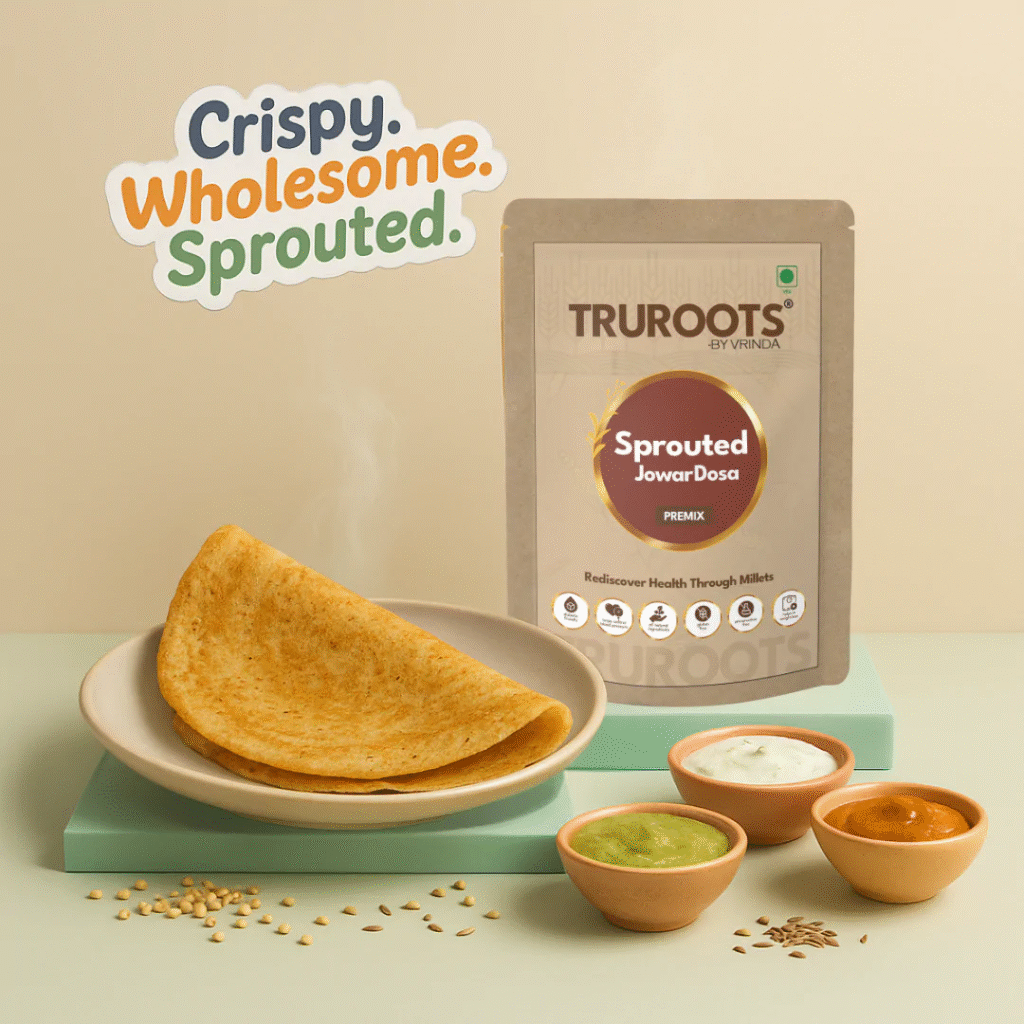
Sprouted Jowar Dosa
Crispy, light, and protein-rich, jowar dosas are now being enjoyed worldwide.
👉 Make it convenient with the Sprouted Jowar Dosa Premix, which delivers authentic taste with modern ease.
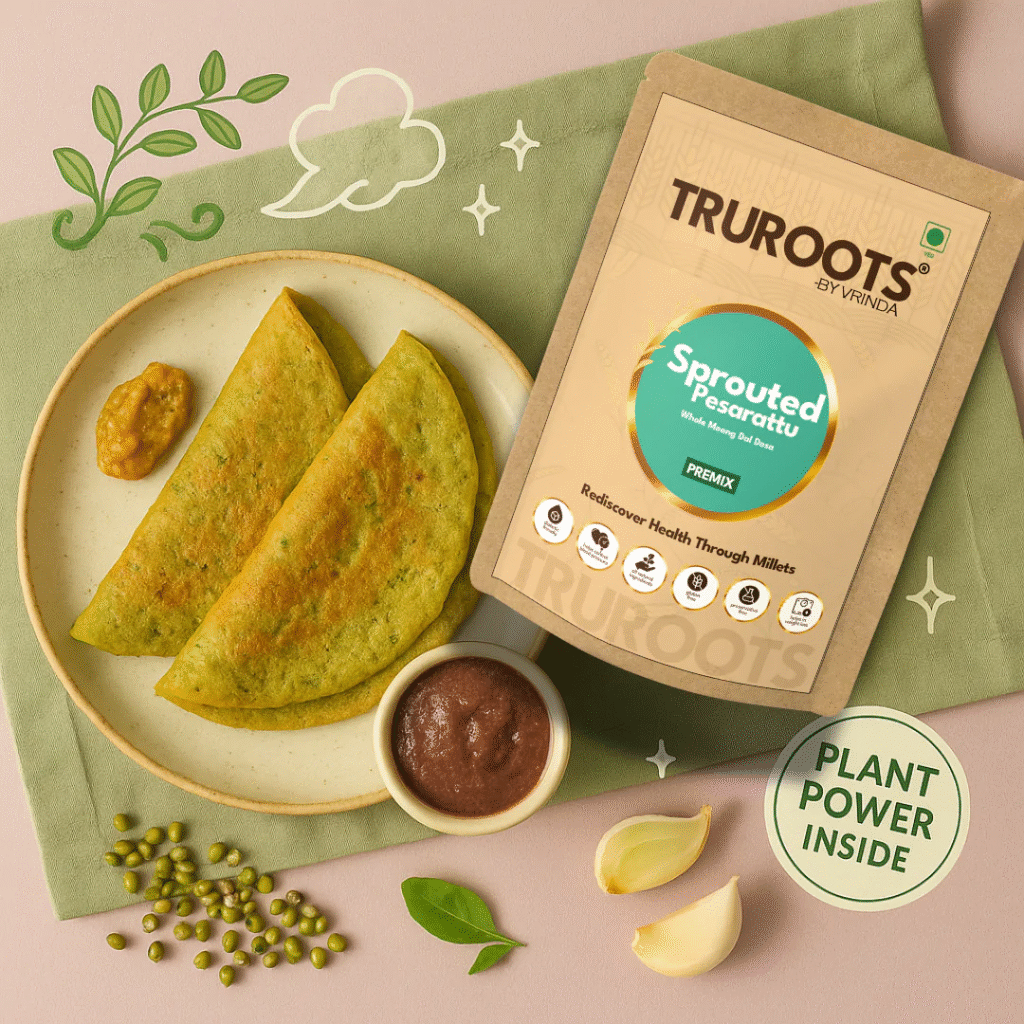
Sprouted Pesarattu
A wholesome green gram and millet-based crepe, this dish combines protein, fiber, and flavor in one.
Try the Sprouted Pesarattu Premix for a quick, nutritious breakfast or evening snack.
Millets as Food for Lunch and Dinner
- Millet Khichdi: Comforting and nutrient-dense, perfect for all age groups.
- Millet Rotis: Soft, gluten-free rotis made with jowar or bajra flour.
- Millet Pulao: A fragrant and hearty dish with vegetables and spices.
- Millet Soup: Light and nourishing for easy digestion at night.
Global Culinary Innovations with Millets
Restaurants and chefs worldwide are experimenting with millets as food:
- Millet pasta in Italy
- Millet bread in France
- Millet bowls in the US
- Millet desserts in India
This versatility is one reason for their rising global recognition.
Millets as Food for Every Age Group
- Kids: Rich in calcium and iron for growth and development.
- Adults: Support stamina, digestion, and weight control.
- Seniors: Easy to digest and nutrient-rich for bone and heart health.
FAQs on Millets as Food
Q1: Why are millets as food gaining global attention?
Because they’re nutritious, gluten-free, eco-friendly, and versatile in recipes.
Q2: Are millets healthier than rice or wheat?
Yes, they have more fiber, minerals, and protein while being gluten-free.
Q3: Can millets be eaten daily?
Absolutely. Millets can be part of daily meals in the form of dosas, rotis, porridges, or soups.
Q4: Are millets good for diabetics?
Yes, their low glycemic index helps regulate blood sugar levels.
Q5: How do sprouted premixes help with millet recipes?
Sprouted premixes enhance nutrition, reduce cooking time, and make millet recipes more convenient.
Millets as Food: The Future of Global Nutrition
From India to international food markets, millets as food are winning hearts for their taste, health benefits, and eco-friendliness. They represent both ancient wisdom and modern nutrition needs.
With sprouted premixes, millet-based meals are easier than ever—offering families a way to enjoy wholesome, balanced diets with less effort. As the world rediscovers millets, adding them to your kitchen means embracing a healthier, more sustainable future.